

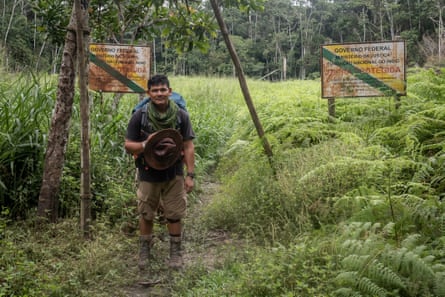
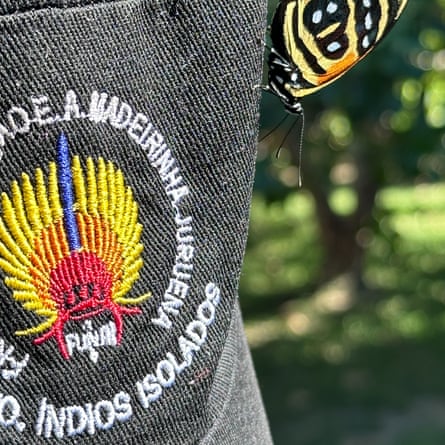
In 2024, specialists from the national agency for native communities trekked over a vast distance through untouched wilderness on the southern edge of the Amazon region. Their objective was to observe and assist in defending an Indigenous group with no contact with the modern world.
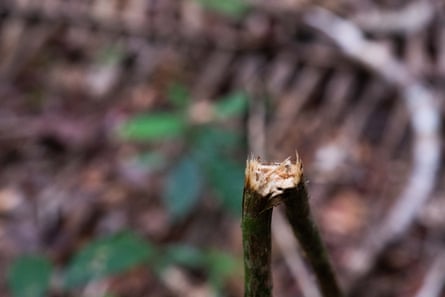
Their findings included a handcrafted item made from palm fronds, a child’s footprints by a riverbank, and logs recently hacked to gather honey. They also found abandoned shelters sinking into the forest and shells from gathered nuts near extinct campfires. These were all undeniable evidence that the Kawahiva people continued to inhabit the region.
Administrative Stalling Impede Mandated Defense
Despite a judicial directive approving a safeguarding strategy for the vulnerable tribe, the federal administration has yet to act. The legal requirements included speeding up the boundary setting of their ancestral domain and explaining deforestation reduction strategies.
Red tape, budgetary constraints, and armed disputes over territory—featuring attacks by figures connected to the logging industry—have stalled the demarcation effort.
Without clearly marked borders, loggers and ranchers keep moving in, leaving the Kawahiva at grave risk of cultural eradication. Indigenous supporters label the inaction a willful and dangerous breach of the country's constitution.
“The inaction in demarcation is not only against the law, it is also incredibly risky.”
Shrinking Wilderness
The intended 400,000-hectare protected territory still lacks complete legal status, as required by law. It is considered the greatest expanse of vulnerable jungle in Brazil that is home to uncontacted Indigenous people.
Immediately beyond the reserve's boundaries, the scene changes dramatically. The land is scorched for pastureland. Property markers are installed, and access routes are pushing further into the pristine forest.
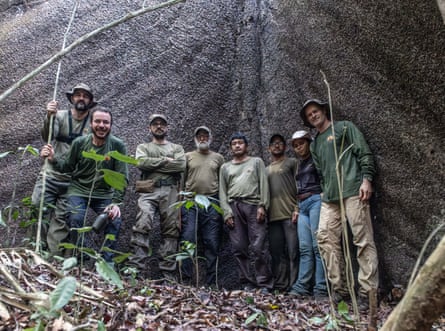
Following the expedition, a agency head for land defense promised to finalize the demarcation. “We are doing every available means to make certain that the Kawahiva land receives protection,” the official stated.
Financial Obstacles and Escalating Tensions
The boundary marking of the 200-mile perimeter involves setting up official signs. This is seen as a decisive step to show encroachers that the government is serious about defending the land. However, the process remains stalled.
Money has been a primary obstacle. Initial plans to use compensation funds from a infrastructure development did not materialize. The agency has since looked for alternative funding.
It has now initiated a partnership with a university institute. “We have a cooperative agreement that we’ve used successfully before,” explained an official. “The fieldwork is planned to begin in the first part of 2026.”
The institute stated that negotiations were in late stages but did not provide a timeline.
Complicating everything is what officials term a “highly tense environment in the region,” which is expected to require an security detail during any demarcation work.
Violent Opposition
The threat of violence is real. In previous years, an group of invaders attacked a government base in the territory, resulting in a gun battle where one attacker was killed. Years later, heavily armed police were stationed in the area.
In recent months, an audio recording surfaced in which a man, claiming to be a local leader, threatened the lead field agent. The individual, connected to local loggers, stated to have searched the land “trying to find those isolated Indians.”
He is reportedly facing several environmental crimes, including charges related to the violent assault on the agent. “We can’t work because of this guy,” the man said in the recording.
The Political Clock
Anthropologists and experts point out that it has been over a quarter-century since the location of the uncontacted people was verified. “Throughout this time, land-grabbers have consistently challenged the land declaration in court,” noted one expert.
They raise a disturbing possibility: that the present holdup is a politically motivated barrier rather than a procedural one. This leads to apprehension that action may not happen even in the next administration.
The electoral calendar adds urgency. Many believe that the current term represents the last chance for this demarcation effort to be realized, before a potential administration change could freeze protective measures, as has happened before.
The judicial order was the result of a petition filed by a tribal rights group. The court highlighted the “danger of eradication, hunger, and assimilation” facing the community.
A lawyer involved described the process as “at a standstill,” with the court awaiting compliance. The dangers of stalling are stark. “Furthermore, it is highly risky and threatens the survival of the vulnerable tribe,” warned a representative from an international advocacy group.


